Cart
0
You may also like


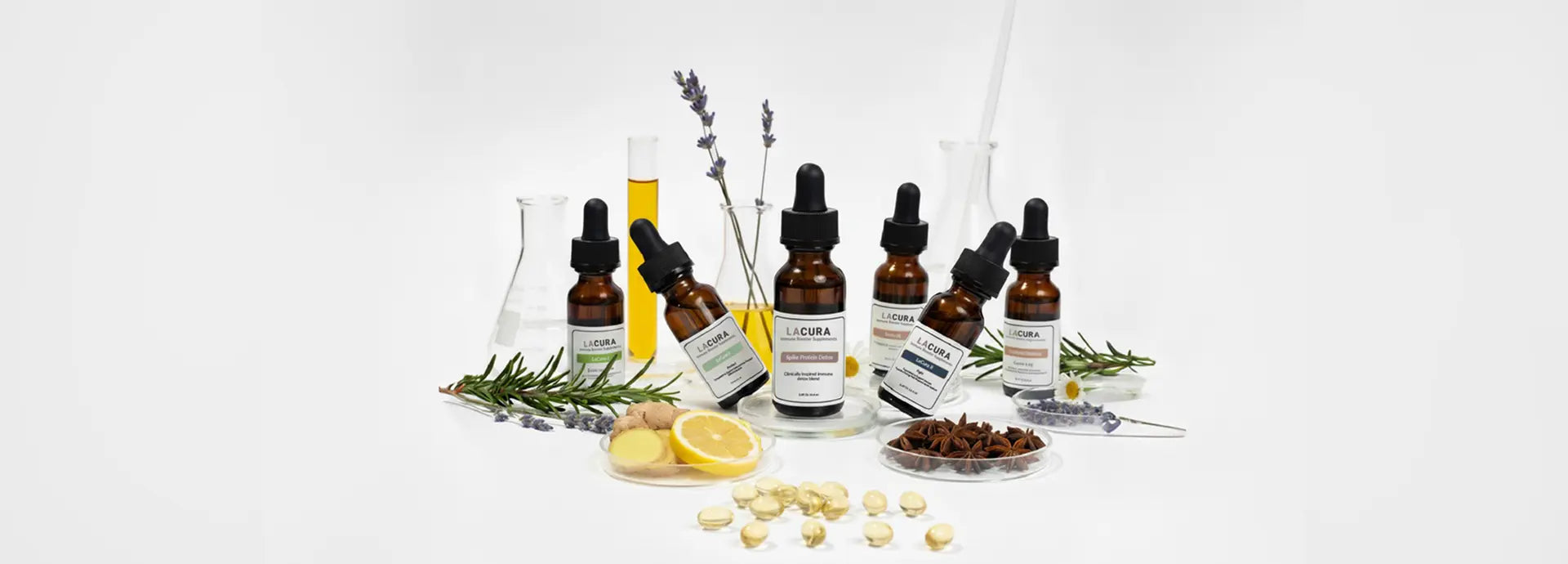
Eczema affects millions of people worldwide, causing uncomfortable skin irritation that can significantly impact your quality of life. Instead of viewing this condition as something you must simply endure, understanding more about this condition opens pathways to effective management and healing.
Here, we’re exploring the root causes behind eczema development, empowering you with knowledge to address triggers and discover natural treatment approaches that support your skin's innate healing capacity.
Eczema is an inflammatory skin condition that causes skin to become irritated, itchy, and inflamed. It can appear anywhere on the body and in various forms, often triggered by external irritants or internal imbalances. While eczema is not a disease in the traditional sense, it is a skin condition that significantly impacts daily life.
In many cases, the root cause of eczema is linked to a malfunction in the skin’s protective barrier. This can result in the skin becoming more susceptible to allergens, irritants, and microbes, which can trigger flare-ups.
Eczema is a complex condition with multiple triggers. While there’s technically no cure, identifying root causes can help prevent flare-ups and reduce symptoms. It’s also an important pillar in a holistic medicine approach, which aims to pinpoint and address the underlying causes of eczema instead of just alleviating symptoms. Let's explore some common eczema triggers:
Moisture loss is one of the most fundamental triggers for developing and worsening eczema. When your skin becomes excessively dry, its protective barrier weakens, making it more susceptible to irritants and allergens. This creates inflammatory responses that manifest as the characteristic redness, itching, and scaling associated with eczema.
Environmental factors such as low humidity, excessive washing, harsh soaps, and hot water exposure can strip away your skin’s natural skin oils, which help make up its moisture barrier. If you live in a dry climate or spend extended time in air-conditioned or heated indoor environments, you may notice increased eczema activity during these periods.
The mind-skin connection plays a crucial role in eczema development and severity. Psychological stress triggers the release of cortisol and other stress hormones that can suppress immune function and increase inflammation throughout the body, including the skin. It’s therefore no surprise that many people notice their eczema worsens during periods of high stress, emotional turmoil, or anxiety.
Stress also tends to disrupt sleep patterns and healthy lifestyle habits, creating additional strain on your body's healing mechanisms. Furthermore, the discomfort and appearance concerns associated with eczema can create a stress cycle, where skin symptoms increase anxiety, which in turn worsens the skin condition.
Cold, dry winter air combined with indoor heating creates particularly challenging conditions for people with eczema, as both factors contribute to moisture loss and skin irritation.
Conversely, hot and humid weather can also trigger flare-ups through increased sweating, which can irritate sensitive skin. Sudden temperature changes, whether hot to cold or vice versa, can also stress your skin's adaptive mechanisms and trigger inflammatory responses.
Nutritional factors play increasingly recognized roles in eczema development and management. Food sensitivities and allergies can trigger inflammatory responses that manifest in your skin. While each individual’s response may be different, common irritants include dairy products, eggs, nuts, soy, wheat, and certain fruits.
Beyond specific food allergies, overall dietary patterns influence inflammation levels throughout your body. Diets high in processed foods, refined sugars, and inflammatory oils may contribute to systemic inflammation that exacerbates eczema symptoms. Conversely, anti-inflammatory dietary approaches often support skin healing and reduce flare-up frequency.
Synthetic fragrances and chemical additives in personal care products represent common eczema triggers that many people overlook. These substances can act as contact irritants or allergens, causing localized inflammatory responses. Be on the lookout for products such as perfumes, scented lotions, fabric softeners, and cleaning products, which frequently contain these problematic compounds.
Even products labeled as "natural" may contain essential oils or botanical extracts that can trigger reactions in highly sensitive individuals. The key lies in identifying personal triggers through careful observation and choosing products with minimal, gentle ingredients.
Clothing materials can significantly impact eczema symptoms through direct skin contact. Synthetic fabrics, wool, and rough textures may create mechanical irritation (rubbing against your skin), triggering inflammatory responses. Additionally, fabric dyes, chemical treatments, and residual detergents in clothing can act as contact allergens.
When building your wardrobe, look to cotton and other natural, breathable fabrics. These materials generally prove more suitable for people with eczema, as they allow better air circulation and moisture management. Washing clothes with gentle, fragrance-free detergents and avoiding fabric softeners can also reduce potential irritants.
Physical activity presents a complex relationship with eczema, offering both benefits and potential triggers. While regular exercise supports your overall health and stress management, the sweating and increased body temperature associated with workouts can also irritate sensitive skin and trigger flare-ups.
When approaching fitness, the idea is to find appropriate exercise routines and post-workout care strategies. Choosing breathable clothing, staying hydrated, and showering promptly after exercise with lukewarm water and gentle cleansers can help minimize exercise-related eczema triggers while maintaining the health benefits of physical activity.
Fluctuations in hormone levels, particularly during puberty, menstruation, pregnancy, and menopause, can significantly influence eczema symptoms. Estrogen and progesterone changes affect skin barrier function, moisture retention, and inflammatory responses, leading to predictable patterns of flare-ups for many people.
Understanding these hormonal connections helps in developing targeted management strategies during vulnerable periods. Supporting hormonal balance through lifestyle approaches, stress management, and appropriate nutrition can help minimize hormone-related eczema exacerbations.
Particularly relevant for infants and young children, saliva contact can trigger eczema flare-ups around the mouth, chin, and cheek areas. Saliva contains enzymes that can break down the skin barrier when in prolonged contact with sensitive skin, leading to characteristic eczema patches in these locations.
Drooling, thumb-sucking, and food residue around the mouth create ongoing saliva exposure that perpetuates this trigger in little ones. Gentle cleansing and protective barriers can help manage saliva-related eczema while addressing underlying causes of excessive drooling when possible.
In addition to the irritants listed above, several additional environmental and chemical triggers can contribute to eczema flare-ups. These include dust mites, pet dander, pollen, cigarette smoke, certain metals (particularly nickel), latex, and various industrial chemicals. Indoor air quality factors such as mold, volatile organic compounds from furniture or building materials, and cleaning product residues can also play roles.
Identifying personal triggers often requires careful observation, and sometimes professional allergy testing. To that end, you might consider keeping a detailed symptom diary that tracks potential exposures alongside eczema activity. Over time, this can reveal patterns that guide effective avoidance strategies.
Eczema can manifest in different forms, each with its own set of symptoms. The most common types of eczema include:
- Atopic Dermatitis: The most common form of eczema, often starting in childhood. It causes dry, itchy patches, typically on the face, elbows, or knees.
- Contact Dermatitis: Caused by exposure to irritants like soaps, chemicals, or certain plants.
- Seborrheic Dermatitis: Affects areas with many oil glands, such as the scalp, face, and chest.
- Dyshidrotic Eczema: Characterized by small, fluid-filled blisters, often on the hands and feet.
- Nummular Eczema: Circular patches of irritated skin, often caused by dry skin or an allergic reaction.
- Stasis Dermatitis: Caused by poor circulation, usually affecting the lower legs, and may lead to ulcers.
Understanding the different types of eczema explains why your friend's miracle cure might not work for you, or why your eczema flares differently in summer than in winter. Each type responds best to targeted treatment, which is why a one-size-fits-all approach rarely works for managing eczema.
Dermatologists typically diagnose eczema by:
- Visual examination: The appearance, location, and pattern of your rash
- Medical history: When symptoms started, what makes them better or worse
- Family history: Whether eczema, asthma, or allergies run in your family
- Response to treatments: How your skin has reacted to previous treatments
There’s no magic pill—but there are effective ways to manage eczema. In particular, holistic medicine is a powerful approach that encompasses lifestyle modifications and natural remedies to treat eczema. Let’s explore some of the best options.
Consistency is key. Build a daily skincare routine that protects and hydrates your skin.
- Use mild, fragrance-free cleansers
- Moisturise at least twice a day
- Avoid long, hot showers
- Pat (don’t rub) skin dry after bathing
- Use hypoallergenic laundry products
Fortunately, there are many powerful natural remedies for eczema that can alleviate symptoms without the need for harsh chemicals or medications. These include:
- Colloidal oatmeal baths to soothe inflammation
- Aloe vera gel for hydration and calming
- Coconut oil for its antibacterial properties
- Chamomile compresses for gentle anti-inflammatory relief
Some supplements may help reduce inflammation from within:
- Omega-3 fatty acids (found in fish oil)
- Vitamin D (especially if levels are low)
- Probiotics (to support gut health)
- Zinc (for immune function and skin repair)
When it comes to natural remedies for eczema, essential oils deserve special attention.
- Many have natural anti-inflammatory properties
- Some possess antimicrobial benefits
- They can be incorporated into existing skincare routines
- Often provides aromatherapy benefits for stress reduction
Let's explore some of the best essential oils for eczema, each offering unique benefits for troubled skin.
Lavender is often the best essential oil for eczema that people try, and for good reason.
- Powerful anti-inflammatory properties
- Natural antimicrobial effects
- A calming scent that may help with sleep
- Generally well-tolerated by sensitive skin
This tea tree oil is particularly helpful for eczema patches prone to secondary infection.
- Strong antimicrobial properties
- Anti-inflammatory effects
- Must be well-diluted (never use undiluted)
- Particularly useful for infected or weeping eczema
Known for its refreshing properties, peppermint essential oil can provide temporary relief from eczema discomfort.
- Contains menthol, which creates a cooling sensation that may reduce itching
- Anti-inflammatory compounds help calm irritated skin
- Natural antimicrobial properties support skin health
- Use very sparingly and always well-diluted (can be irritating in high concentrations)
- Avoid use on broken or severely inflamed skin
This eucalyptus essential oil offers several benefits for eczema-prone skin.
- Powerful anti-inflammatory properties help reduce skin irritation
- Natural antimicrobial effects protect against secondary infections
- It may help improve skin barrier function over time
- Contains compounds that can reduce pain and itching
- Choose eucalyptus globulus or eucalyptus radiata for skin applications
Eczema can feel frustrating, but with the right care, you can calm flare-ups and reclaim healthy skin. Simple habits, soothing natural remedies for eczema, and targeted support like essential oils for eczema can make all the difference.
At LaCura, we believe in nature’s healing power. Our pure, organic essential oils are carefully designed to help you nourish your skin from the outside in—gently, effectively, and sustainably.
Discover LaCura’s range of skin-loving essential oils and give your skin the care it truly deserves.
Unfortunately, eczema is a condition with no permanent cure, but it can be managed effectively with the right skincare, lifestyle adjustments, and natural therapies.
Not at all. Eczema is not contagious, so you can’t catch it from someone else or pass it to your loved ones.
Eczema can appear as red, inflamed skin, itchy bumps, or scaly eczema patches. Its appearance varies depending on the type and severity.
Eczema is not classified as an autoimmune disease, but it does involve an overactive immune response. Think of it as your body being a little too protective, especially toward harmless triggers.
Absolutely. The itching is often the most troublesome symptom, and scratching can make things worse. That’s why soothing treatments like essential oils for eczema are so helpful in calming the skin and breaking the itch-scratch cycle.
Discover more articles and stories you might enjoy.


