Cart
0
You may also like



Have you ever felt sluggish, bloated, and just off, only to realize you haven’t had a proper bowel movement in days? You’re not alone. Millions of people deal with constipation, often dismissing it as a minor issue.
But your body could be trying to tell you something more. Constipation is rarely just about what you ate yesterday; it often reflects a deeper imbalance involving your gut, hormones, stress levels, or even your nervous system.
The good news is that there are natural ways to support your body and restore balance. Essential oils, for example, are gaining recognition as a gentle, effective option for digestive support.
There is no single cause of constipation. It typically results from a combination of lifestyle factors, dietary habits, physiological changes, and even mental health issues. Understanding the underlying causes is essential before exploring constipation treatments. Common contributors include:
- Low dietary fibre: A diet lacking in fruits, vegetables, legumes, and whole grains can significantly slow bowel transit time.
- Gut dysbiosis: An imbalance in the gut microbiome can slow intestinal motility and alter stool consistency.
- Dehydration: Adequate water intake is essential for softening stools and maintaining smooth digestive function.
- Sedentary lifestyle: Physical activity helps stimulate intestinal contractions. A lack of exercise can lead to sluggish digestion.
- Stress and anxiety: The gut-brain axis is real. Chronic stress disrupts gut motility, leading to less regular bowel movements.
- Medications: Certain painkillers, antidepressants, iron supplements, and antacids containing calcium or aluminum are well-known culprits.
- Hormonal changes: Conditions such as pregnancy, hypothyroidism, and menopause can interfere with normal bowel function.
- Ignoring the urge: Routinely delaying bathroom visits can retrain the bowel to become less reactive over time.
Recognizing these triggers empowers you to address constipation at its source, rather than simply managing the symptoms.
Constipation doesn’t discriminate. It affects children, adults, and older individuals alike, though the causes and ideal solutions can vary considerably by age group.
Constipation in children is often linked to dietary transitions, such as introducing solid foods or weaning from breastfeeding. Other common causes include fear of painful bowel movements, toilet training stress, and low fibre intake. When considering constipation treatment for kids, many parents prefer gentle, natural approaches over strong laxatives, which may disrupt a child’s developing digestive system.
Chronic constipation treatment for adults often involves addressing multiple factors. Common causes include low fibre intake, poor hydration, physical inactivity, gut dysbiosis, medication side effects, stress, and deficiencies in certain vitamins and minerals. Hormonal fluctuations can also play a role, with symptoms sometimes worsening during pregnancy.
The gut is often called the "second brain" because of its dense network of neurons and its influence on mood, immunity, and overall well-being. A healthy gut microbiome supports everything from nutrient absorption to emotional regulation, while a disrupted one can contribute to a range of health concerns.
When constipation becomes frequent, it can be a sign of gut dysbiosis, meaning an imbalance between beneficial and harmful bacteria in the intestinal tract. This imbalance can also trigger inflammation, immune responses, and even feelings of anxiety, creating a cycle that can be challenging to address through diet alone.
Restoring gut balance requires a holistic, multi-pronged approach: improving diet, managing stress, moving the body, and supporting digestive health with targeted interventions, such as essential oils.
Prunes, warm water with lemon, extra fibre, and supplements, especially magnesium citrate, can all be helpful starting points and may offer short-term relief. However, for many people, they simply do not go far enough. Finding the best treatment for constipation often requires addressing multiple factors at once. Here is why conventional home remedies can fall short:
- They tend to address only one cause at a time, such as fibre or fluid, without supporting overall gut motility.
- They may take days to show any effect, leaving the person in persistent discomfort.
- Over-the-counter laxatives, while fast-acting, can create dependency and further disrupt natural bowel rhythms.
- They do not address underlying inflammation, gut spasms, or microbial imbalances that perpetuate the cycle.
A more complete, holistic approach may be helpful when basic remedies aren’t enough, such as incorporating essential oils for constipation. These concentrated botanical extracts contain active compounds that may support gut motility, reduce inflammation, and promote overall digestive balance.
Essential oils may support digestive function through several complementary mechanisms:
- Stimulating peristalsis: Oils like ginger and marjoram can help encourage the natural wave-like contractions that move stool through the intestines.
- Reducing inflammation: Some oils have anti-inflammatory properties that may help soothe the gut lining and support normal motility.
- Relieving spasms: Certain oils can help relax intestinal muscles, easing cramping and supporting smoother digestion.
- Supporting liver detoxification: Some oils may promote bile release, helping to clear waste and toxins and support bowel movements.
- Expelling trapped gas: Carminative oils may help reduce bloating by assisting the body in moving trapped gas.
- Supporting the microbiome: Some essential oils have antimicrobial or prebiotic effects that may help maintain a balanced gut environment.
There isn’t a single best essential oil for constipation relief. Instead, blends that target multiple digestive pathways at once tend to be more effective. This is why LaCura’s formulations are designed as multi-ingredient combinations rather than single-oil solutions.
A common question among those new to aromatherapy and plant medicine is whether a single oil or a blend delivers better results.
In many cases, blends have the advantage. That's because each essential oil contains different active compounds. When combined, they can work synergistically, producing a greater overall effect than any one oil alone.
For instance, a well-designed essential oil blend for constipation may simultaneously help support motility, ease inflammation, relieve spasms, and promote relaxation.
Single oils can still be helpful, but they tend to act on narrower pathways. For instance, peppermint may ease spasms, while ginger supports gut movement. Blending allows oils to complement one another, helping you address the full picture.
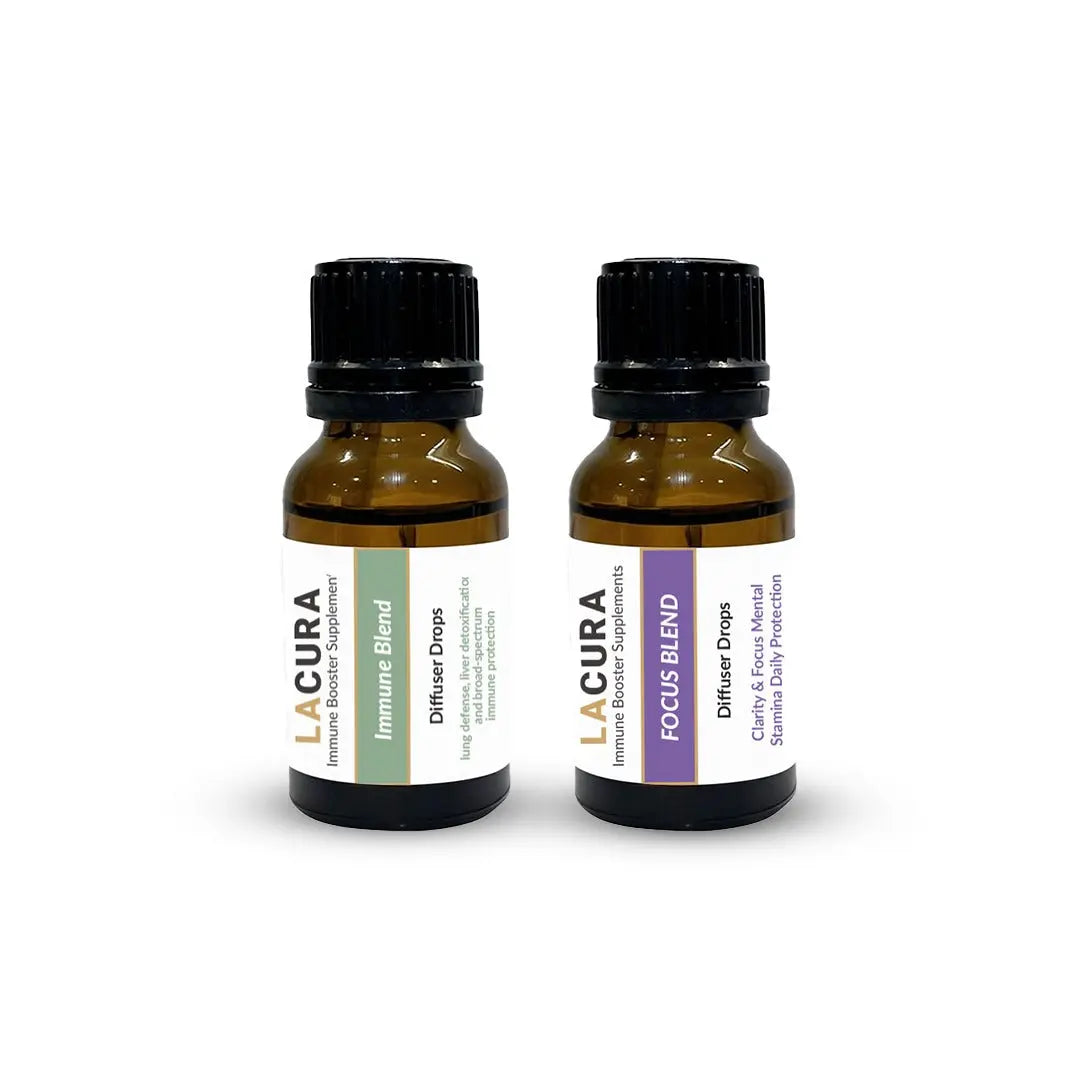
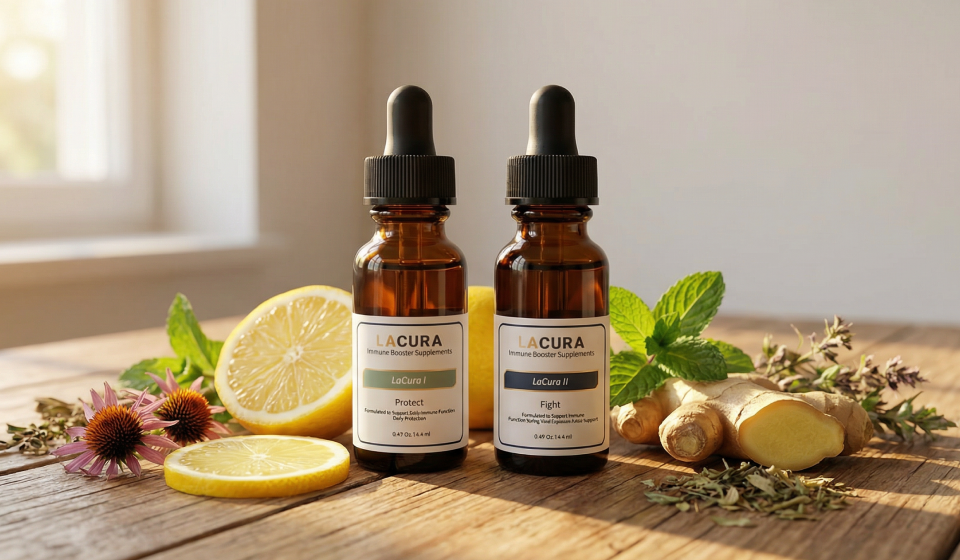
LaCura has developed two essential oil blends, one for adults and one for children.
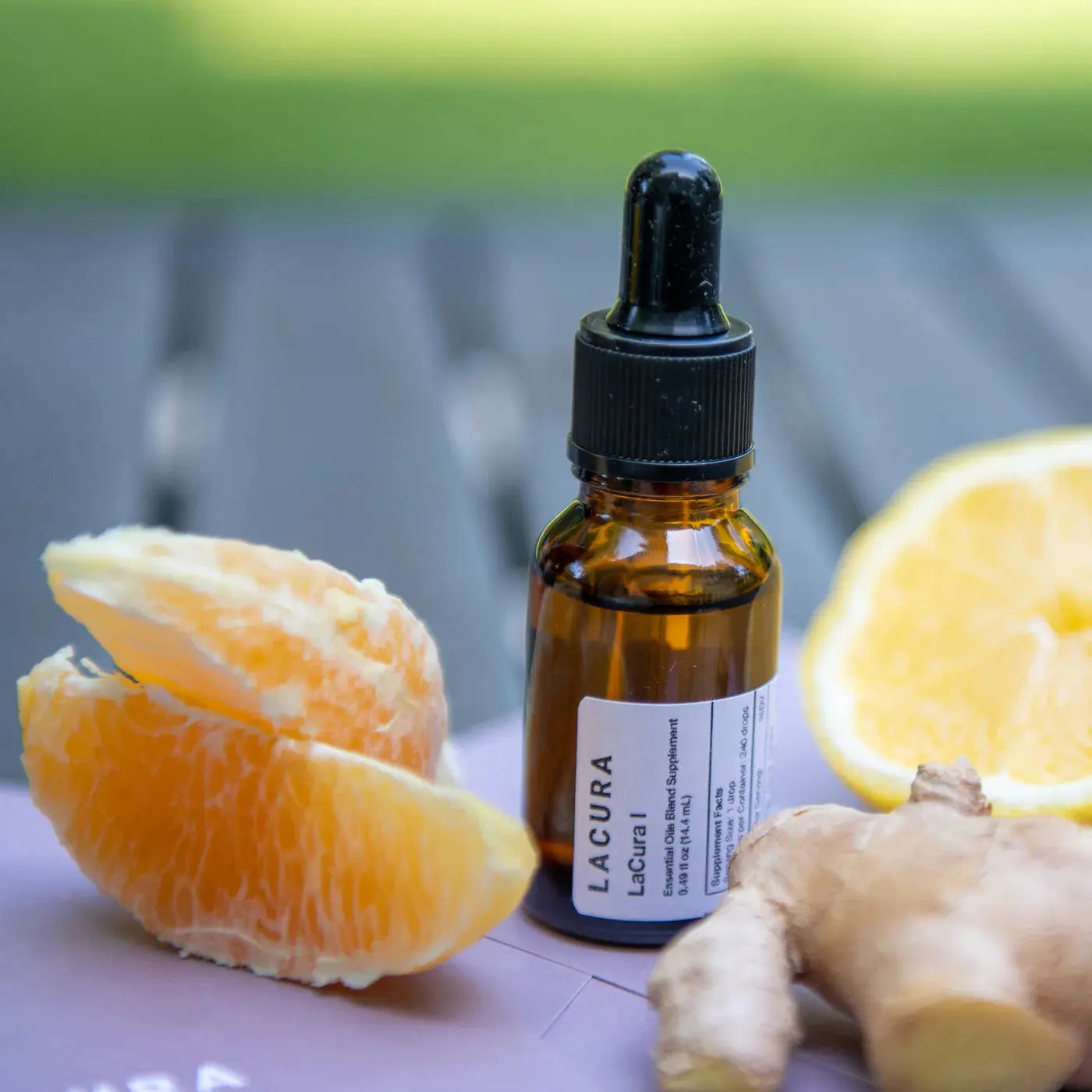
LaCura Bowel Support is our 100% organic, food-grade essential oil blend for constipation and broader digestive support. This natural therapy for constipation in adults combines five oils that help ease digestive discomfort and blockages, support healthy digestive function and bowel movements, and promote overall gut health.
- Lemon: Improves digestion, reduces inflammation and eases constipation (Research)
- Marjoram: Prevents the growth of harmful bacteria, facilitates digestion, supports microbiome health, and relaxes smooth muscles in the GI tract (Research)
- Carrot Seed: Reduces bloating and expels toxins (Research)
- Rosemary: Relieves indigestion, stimulates bile, and improves bowel movement (Research)
- Fennel: Reduces bowel inflammation and promotes gut-friendly bacteria (Research)
How to use: Add 8 drops into water or juice daily. It can also be safely ingested using vegan capsules.
Gentle and 100% plant-based, LaCura 4Kids Stomach Discomfort is expertly formulated to soothe your child's tummy troubles. It provides natural relief from gas, bloating, and mild constipation without harsh chemicals. Its ingredients include:
- Roman chamomile: Antispasmodic, treats gas, acid reflux, indigestion, diarrhea, and vomiting gently. (research)
- German chamomile: Treats IBS, stomach cramps, diarrhea, gas, and colic. Relaxes intestinal muscle contractions. (research)
- Lavender: A natural painkiller that relieves lower abdominal cramping, reduces inflammation, and pain intensity. (research)
- Marjoram: Digestive aid that stimulates peristaltic intestinal movement and encourages healthy elimination. (research)
How to use: Mix 1 to 2 drops with a carrier oil like coconut or almond oil. Massage gently onto the tummy up to three times daily, preferably after meals. Alternatively, place 2 to 3 drops on the palm for inhalation.
Constipation is often a signal that the body is out of balance, whether due to diet, lifestyle, stress, or underlying digestive issues. Addressing it effectively means looking beyond quick fixes and supporting the body more completely and sustainably.
Essential oils offer a gentle yet effective path forward. With their ability to support gut motility, ease inflammation, and reduce discomfort, they work in harmony with the body rather than against it. When combined with healthy habits such as proper hydration, balanced nutrition, and regular movement, they can play a valuable role in restoring digestive well-being.
LaCura formulated blends, including LaCura GI Support and LaCura 4Kids Stomach Discomfort, may help stimulate motility, reduce inflammation, expel gas, and restore digestive rhythm. Whether adults are seeking daily digestive support or children need a milder approach, these blends offer a convenient, natural way to manage discomfort and promote regularity.
Yes, constipation can cause nausea. A buildup of stool creates pressure and bloating, which can trigger a queasy feeling.
Low-fibre and high-fat foods can slow digestion, including processed foods, white bread, dairy, red meat, fried items, and alcohol.
Ginger, fennel, lemon, marjoram, and cajeput support digestion. For kids, chamomile and lavender are gentle and effective options.
A balanced approach works best. Focus on fibre, hydration, movement, stress control, and supportive remedies like essential oils.
It can last a few days or longer. Chronic cases usually do not improve without changes to diet, lifestyle, or targeted support.
Discover more articles and stories you might enjoy.


